Details · 2 min read
A surface worth noticing
Texture becomes clearer when you give it light and a little context.
Use a simple view
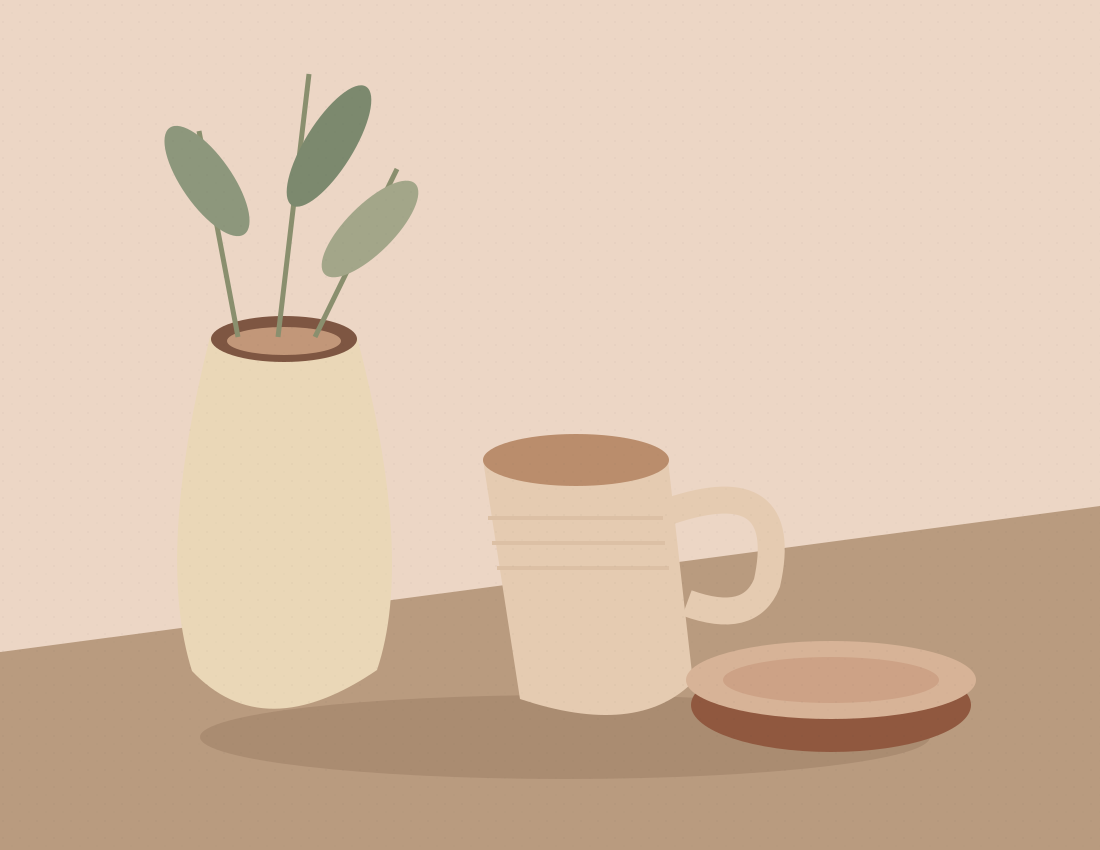
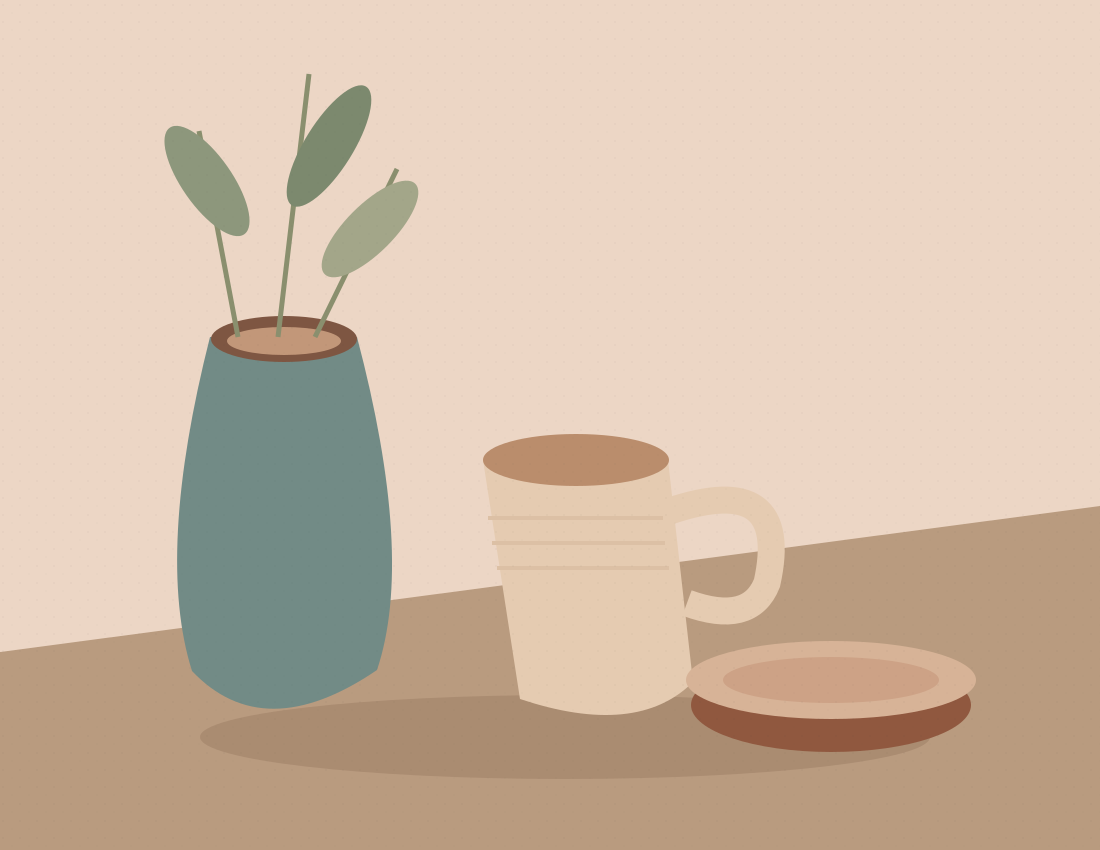
Place a suitable object where its surface can be observed without elaborate staging. Notice which areas catch the light and which remain softer. Describe visible texture with plain words such as matte, speckled, ridged or reflective. Keep identification of the material separate if you do not have reliable information.
Look beside another piece
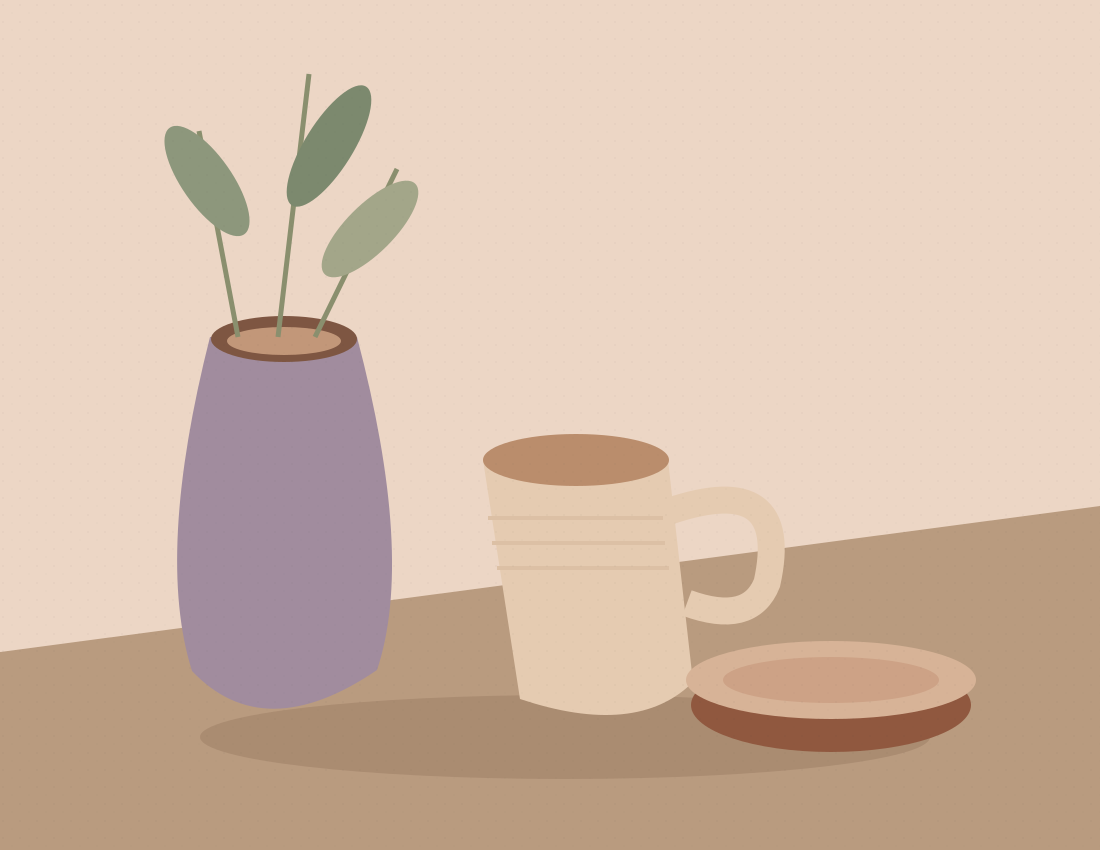
Compare it with a different object under the same light. The contrast can make a quiet surface more apparent. You may notice that the shape remains dominant or that a small variation changes the whole impression. Write what you can see rather than assigning a craft process from appearance alone.
Connect the detail to the whole
Step back and look again at the overall form. Decide how much of the texture is still visible at an ordinary distance. A surface can reward close observation without needing to dominate a room. Keep both views in your note: the detail beside you and the object as it sits in everyday space.
Written for the Clay Table Notes editorial collection. Read at your own pace.