Spaces · 2 min read
A shelf with breathing room
Leave enough space for the outline of each piece and the hands that use it.
Notice the actual shelf
Check the available depth and the ordinary way you reach the objects. Choose pieces that fit steadily without leaning beyond the edge. Begin with a small selection rather than filling every gap. The shelf shape and access are part of the arrangement, not background details to solve after styling.
Make the outlines readable
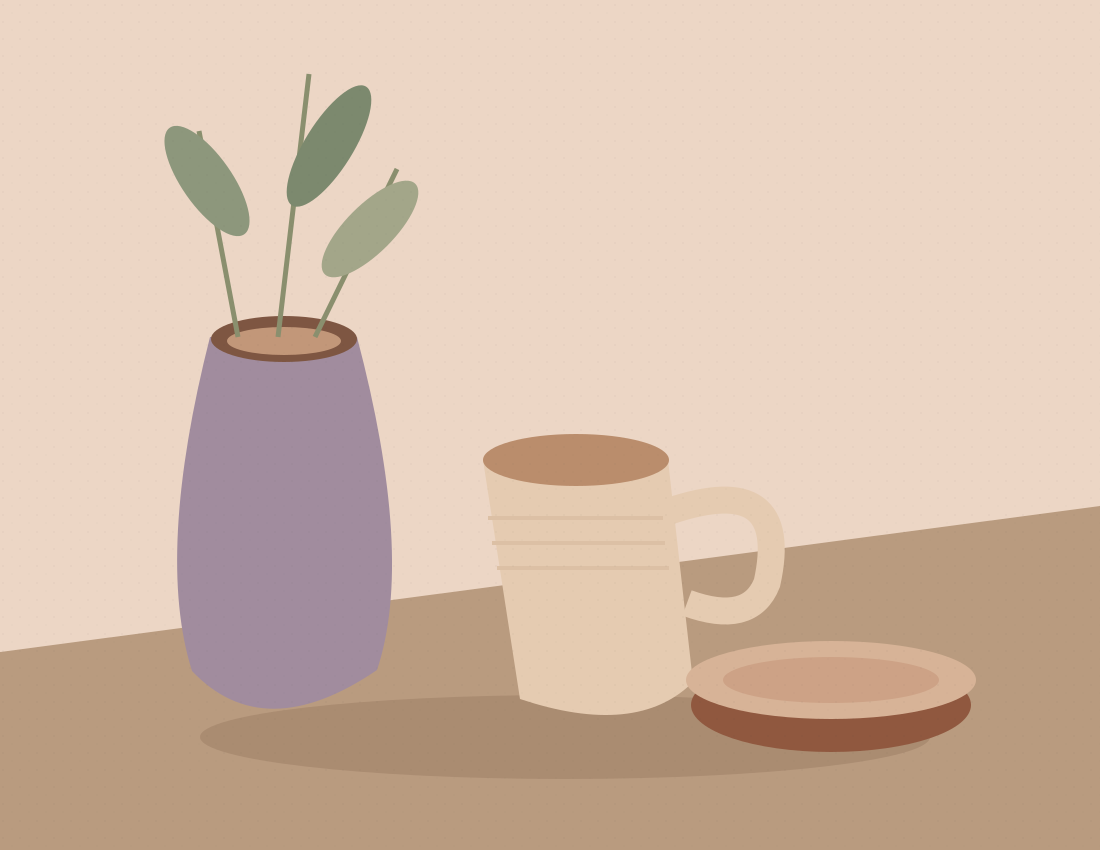
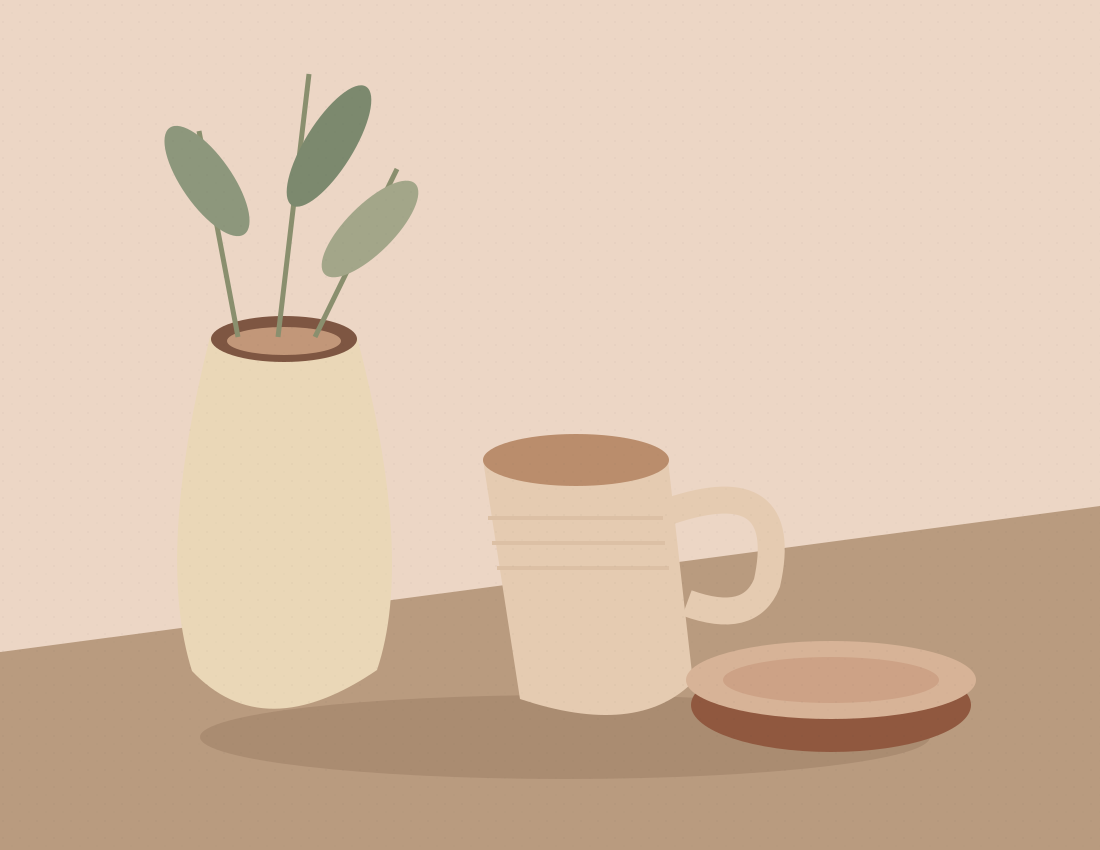
Place taller and shorter forms so that one does not entirely hide another. Use empty space to separate pieces that have similar shapes. A repeated tone can connect the group without requiring every object to match. Look from the position where you most often see the shelf, not only directly in front of it.
Keep the display flexible
Remove and replace each object once. If the arrangement collapses whenever a cup is used, simplify it. Leave room for the collection to change rather than preserving a fixed photograph. A shelf that accommodates ordinary use can become more pleasing as you learn which pieces deserve the most accessible places.
Written for the Clay Table Notes editorial collection. Read at your own pace.